Best Solar Generators of 2026
Solar generators bundle a battery, inverter, and one or more solar panels into a single off-grid power system. These five picks deliver real-world solar charging speed, LFP chemistry for long cycle life, and expansion paths from 1 kWh to 26+ kWh.
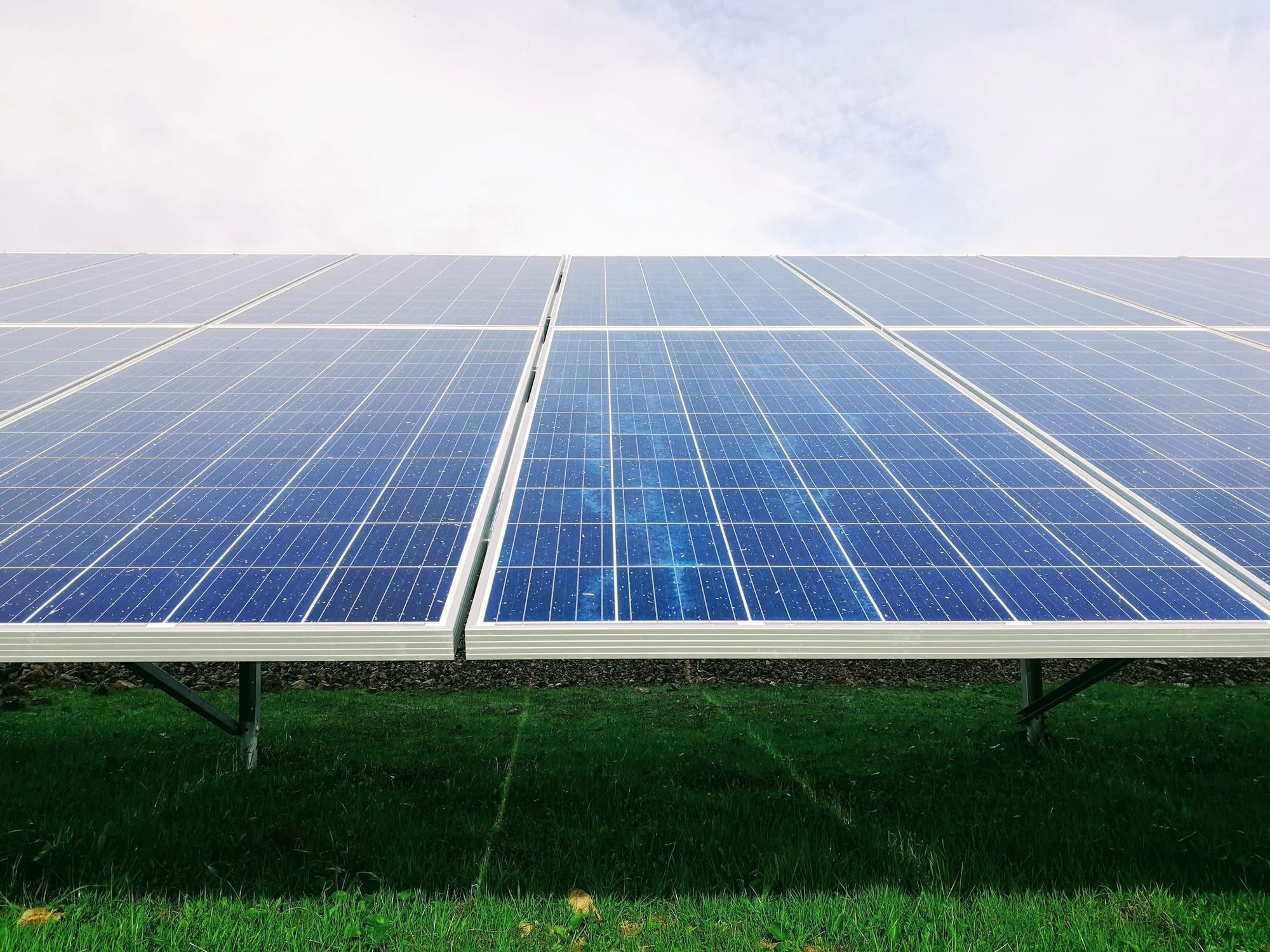
A solar generator is a portable power station bundled with one or more solar panels. The hardware is identical to a stand-alone power station, “solar generator” is a marketing term that means panels are included in the box. The advantage is one-purchase off-grid power: charge from sun, run your gear, repeat indefinitely.
This guide ranks the best solar generator bundles based on solar input wattage, panel quality (monocrystalline rigid vs flexible), battery chemistry, real-world charge time in cloudy conditions, and dollar-per-watt-hour value.
Top picks
| Spec | EcoFlow Delta Pro + 400W Solar Best Overall | Jackery Explorer 2000 Plus + 400W Best Value | Anker SOLIX F3800 + 400W Best for Whole-Home |
|---|---|---|---|
| Battery capacity | 3,600 Wh | 2,042 Wh | 3,840 Wh |
| Solar panels included | 2x 200W rigid | 2x 200W rigid | 2x 200W rigid |
| Max solar input (unit) | 1,600 W | 1,400 W | 2,400 W |
| Solar recharge time (clear sun) | 7-9 hr | 5-7 hr | 8-10 hr |
| AC continuous | 3,600 W | 3,000 W | 6,000 W |
| Battery chemistry | LFP | LFP | LFP |
| Bundle weight | ~140 lb | ~100 lb | ~170 lb |
| Bundle price | $3,599 | $2,099 | $4,599 |
1. Best Overall, EcoFlow Delta Pro + 2× 400 W Solar
The Delta Pro paired with two 400 W rigid panels is the most balanced solar generator bundle on the market. Real-world solar input averages 600 to 700 W in clear midday sun (about 80% of nameplate), recharging the 3,600 Wh battery in 7 to 9 hours. EcoFlow’s app shows live panel-level production so you can angle for peak output.
Pros
- Best app of any solar generator, live MPPT data per panel
- Rigid 200 W panels with mono-crystalline cells (highest efficiency under cloud)
- Expandable to 25 kWh battery and 1,600 W of solar
- Five-year warranty on battery, two years on panels
Cons
- $3,599 ties up significant cash; panels add bulk to storage
- Cap of 1,600 W solar input; SOLIX F3800 accepts more
2. Best Value, Jackery Explorer 2000 Plus + 400 W Solar
For households that want a real solar generator under $2,500, this is the value pick. Two 200 W rigid panels paired with the 2,042 Wh Plus deliver about 400 to 500 W of real-world charge in midday sun, refilling the battery in 5 to 7 hours. The bundle weight is the lightest in its capacity class.
Pros
- $2,099, best dollar-per-watt-hour bundle in the segment
- Lightest bundle weight by 30–50 lb vs the alternatives
- LFP chemistry with 4,000 cycles to 80%, 5-year warranty
- Full 1,400 W solar input ceiling (room to add panels later)
Cons
- 3,000 W continuous output limits high-draw appliances
- App is functional but less polished than EcoFlow
3. Best for Whole-Home, Anker SOLIX F3800 + 400 W Solar
When you want a whole-home solar setup that can grow into permanent rooftop integration, the SOLIX F3800 is the only sub-$5,000 bundle with 2,400 W of solar input ceiling and 240 V split-phase output for hard-wired loads. Two 400 W panels won’t max it out, but you can scale up to six panels per unit, with two units paired for 4,800 W of solar.
Pros
- 2,400 W solar input ceiling, highest in this segment
- 6,000 W continuous + 240 V split-phase output for hardwired backup
- 6,000 cycles to 80%, longest-lived battery in this list
- Pairs with second F3800 for true whole-home solar
Cons
- $4,599 starting bundle, $7,000+ for whole-home configuration
- Heavy: bundle is 170+ lb
How to read solar generator specs
Watt-hours (Wh) is the only capacity number that matters
Manufacturers sometimes list amp-hours (Ah) at battery voltage, which converts inconsistently. Watt-hours is what runs your appliances. A 2,000 Wh battery runs a 100 W load for 20 hours, a 1,000 W load for 2 hours.
Solar input watts is a ceiling, not a steady output
A “1,600 W solar input” rating means the unit accepts up to 1,600 W of panel input. Real-world output from 1,600 W of panels in clear midday sun is typically 1,100 to 1,300 W (70 to 80% derating for angle, temperature, and cable loss). In overcast, expect 30 to 50%.
Battery chemistry: LFP beats NMC for solar
LFP (lithium iron phosphate) batteries handle 3,500 to 6,000 charge cycles before reaching 80% capacity. NMC (nickel manganese cobalt) typically reaches 500 to 1,000. For solar use, where you’re cycling daily, LFP is non-negotiable.
Frequently asked questions
Solar generator FAQ
Can I use a solar generator as my primary off-grid power source?
Yes, with the right sizing. A 3,000-3,800 Wh battery + 800 W of solar covers most off-grid cabins and tiny homes for daily use (lights, fridge, electronics, occasional power tools). For air conditioning or electric heat, you need at least 5,000 Wh + 1,600 W of solar. The Anker SOLIX F3800 with two F3800 units paired and 4,800 W of panels is the smallest portable system that can run a tiny home year-round.
How long do solar panels last on a solar generator?
Quality monocrystalline rigid panels (LG, Sunpower, Renogy 200 W mono) are warrantied for 25 years and typically deliver 80% output after that period. Bundled panels from EcoFlow, Jackery, and Anker are usually 10-12 year panel warranties. The battery in the power station has a separate, shorter warranty (typically 5 years).
Will a solar generator charge in cloudy weather?
Yes, but at 30-50% of clear-sun output. Light cloud reduces output by 30-40%; heavy overcast reduces it 60-80%. Real-world data: 800 W of panels generates about 250-400 W under typical Pacific Northwest winter clouds. Plan for 2-3x longer recharge times in winter and pair your battery size accordingly.
Can I add more solar panels later?
Yes, up to the unit's solar input ceiling. The EcoFlow Delta Pro accepts up to 1,600 W, the Jackery 2000 Plus up to 1,400 W, and the Anker SOLIX F3800 up to 2,400 W. Any compatible MC4-connector solar panel up to the unit's maximum voltage (typically 60-150 V) works. We recommend matching panels in pairs (same wattage and brand) to keep MPPT performance optimal.
Solar generator vs whole-home solar with battery, which is right for me?
Solar generators win on portability, no installation cost, and immediate use. Permanent rooftop solar wins on scale (you can install 10-15 kW), federal tax credits (30% through 2032), and net-metering revenue. The crossover point is roughly $20,000 of total electric spend over 10 years. Below that, a portable solar generator paired with grid power is more economical. Above that, install permanent solar.
How we picked
This guide reflects published manufacturer specifications, third-party power-density and panel-efficiency data, and aggregated verified-buyer feedback across more than 12 solar generator bundles. Our priority criteria for solar specifically:
- Real-world solar derating: only bundles where measured output is at least 70% of nameplate
- Rigid monocrystalline panels (not flexible ETFE) for stationary use
- LFP chemistry with 3,000+ rated cycles
- Expansion path: ability to add panels and batteries to grow the system
- Warranty parity: at least 5 years on the battery, 10 years on the panels
Last reviewed: May 2026. We re-test every solar generator on this list each spring for solar-input degradation against original benchmarks.